
Websites published worldwide come in many forms, from small individual blogs to large-scale corporate and e-commerce platforms.
For companies with their sights set on global markets, providing multilingual support is an essential challenge. That said, there isn’t just one single way to build a multilingual site.
In this article, we will introduce the different types and features of plugins that can help you build a multilingual website using WordPress.
43.5% of websites worldwide are built with WordPress, and its share of the CMS market reaches 61.6%. This figure exceeds the combined share of all competing CMS platforms.
Furthermore, many of the top-ranking sites with high traffic volume have adopted WordPress, and it is estimated that over 500 new WordPress sites are born every day.
Even for site construction aimed at overseas markets, it is chosen by many companies for its flexibility and SEO strengths. It can be said that the background of this growth lies in its ease of multilingual support and its SEO superiority.
There are broadly two methods for building a multilingual site: “Automated Translation” and “Manual Translation.”
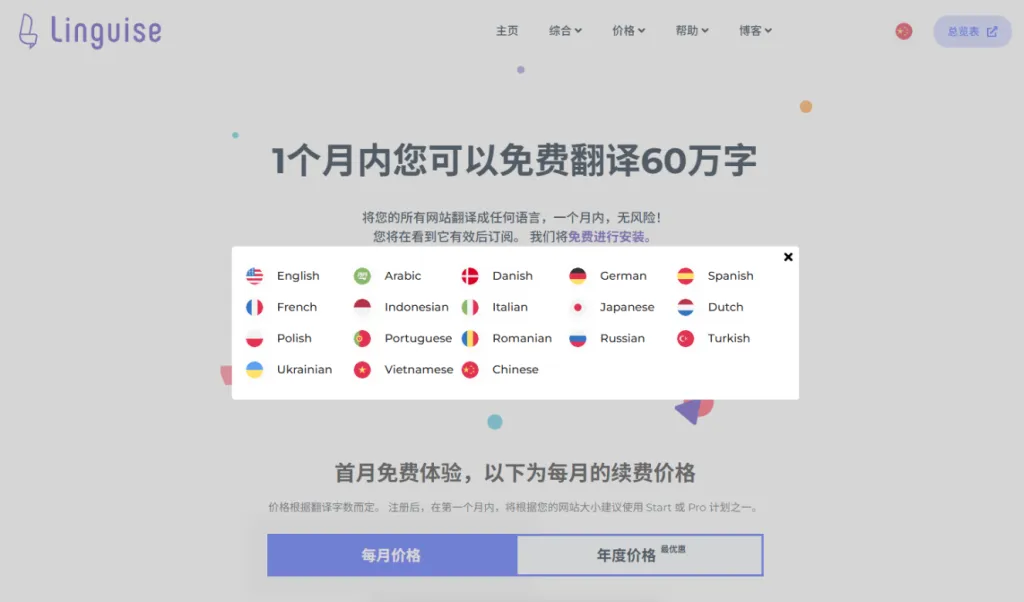
With automated translation plugins, simply installing the plugin on a WordPress site built in a single language (such as an English site) and completing simple settings allows the content to be automatically converted to the target language based on the language selection on the front end.
However, as there are limits to the accuracy of machine translation, manual review and correction are necessary for important pages.
| Item | Overview |
| Representative Multilingual Translation Tools & Plugins | Linguise, TranslatePress, Weglot, WPML, GTranslate, AI Translate, etc. |
| Advantages | Enables rapid construction of multilingual websites. |
| Disadvantages | Low translation accuracy may prevent pages from being indexed by search engines (SEO). |
| High-quality translation requires paid subscriptions, leading to increased costs. |
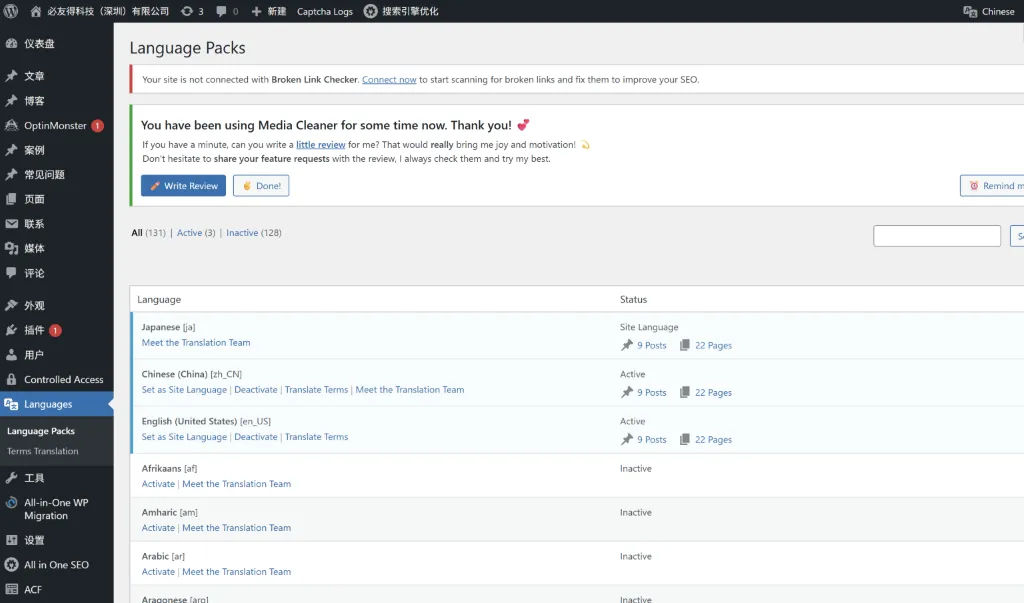
Building a multilingual site through manual translation is suitable for companies, brands, or customer bases that prioritize SEO strategies.
By applying high-accuracy translations for each language, it achieves localization tailored to the local market. It supports both subdirectory and subdomain formats, and allows for setting different designs and images for each language.
| Item | Overview |
| Representative Multilingual Translation Plugins | Bogo, WPML, Loco, Polylang, Multilanguage, etc. |
| Advantages | High customizability |
| High suitability for SEO strategies | |
| Enables high-accuracy language support | |
| Disadvantages | Requires significant man-hours for WordPress content management and operation |
In this section, we will introduce the specific configuration requirements for a multilingual site, using our company’s site as an example.
Our company’s site (supporting three languages: Japanese, Chinese, and English) features a consistent directory structure designed with SEO and usability in mind.
| Beyond Technology Shenzhen Co., Ltd. Official Website | URL |
| Japanese Site | https://beyond-shenzhen.cn |
| Chinese Site | https://beyond-shenzhen.cn/zh |
| English Site | https://beyond-shenzhen.cn/en |
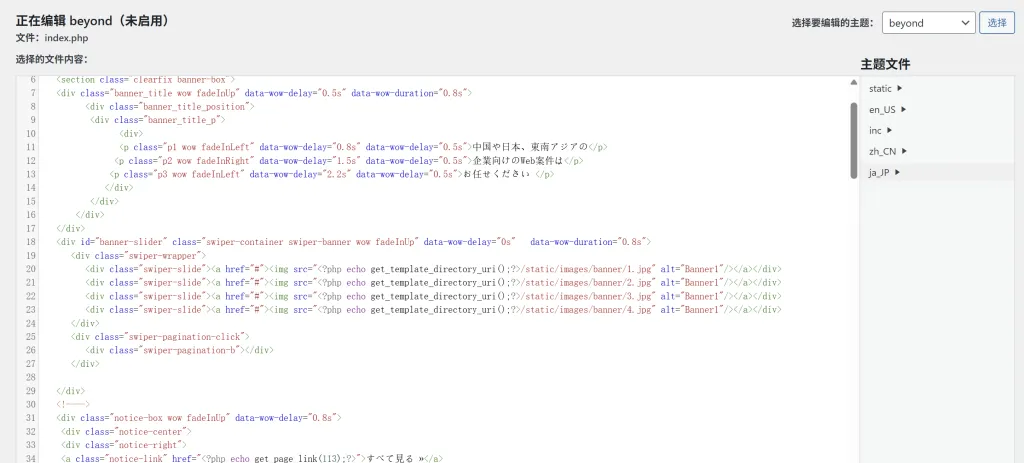
We have designed the system so that categories, articles, inquiry forms, and page layouts can be managed independently for each language: Japanese, Chinese, and English.
In the Theme Editor, we have established three language directories—ja_JP, zh_CN, and en_US—where we place the PHP program code and style layouts corresponding to each specific language.
Below is a summary of the main plugins used on our site and their respective overviews.
| Plugin Used | Purpose | Overview |
| Bogo | Manual Translation (Multilingual Management) | Highly flexible; allows independent management of pages, posts, and categories for each language. |
| AIOSEO | SEO Strategies | Allows bulk customization of meta titles, descriptions, and OGP tags for all pages. |
| ACF (Advanced Custom Fields) | Content Management (Blogs, Case Studies, FAQ, etc.) | Enables highly flexible field design; arbitrary input fields such as text, images, and repeater fields can be added. |
| Contact Form 7 | Inquiry Forms | Highly versatile; flexibly handles everything from basic forms to complex input fields. |
| Wordfence | Security Enhancement | Delivers robust security, featuring a strict filtering mechanism particularly against unauthorized access. |
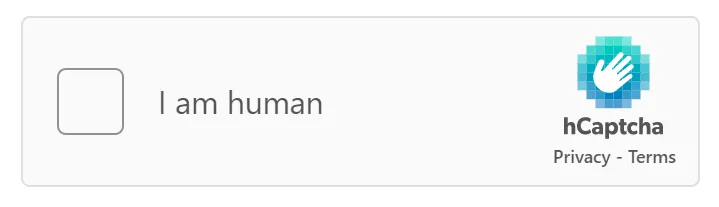
Form security plugins prevent unauthorized submissions by bots and spam postings.
It is highly recommended to implement some form of countermeasure, especially when setting up inquiry forms.
The main plugins are as follows.
This is because our server is located in mainland China (ICP registered); using Google reCAPTCHA would cause significant page loading delays when accessed from within China.
| Reference Pages | URL |
| 【China’s Websites】Slow Page Loading Caused by Google reCAPTCHA | https://beyond-shenzhen.cn/en/blog/contact-foam-captcha |
We have introduced various plugins for building multilingual websites, but the one that is most suitable will depend on the specific objectives of your site.
Not every WordPress multilingual translation plugin is appropriate for every case. Depending on the site’s purpose and scale, there are numerous factors to consider, such as ease of use, extensibility, SEO design, and the availability of manual control.
Therefore, to avoid issues like excessive features or tool incompatibility, selecting a plugin that aligns with your company’s specific requirements is more important than anything else.
| Website Development | https://beyond-shenzhen.cn/en/service/website |
| B2B EC Site Development | https://beyond-shenzhen.cn/en/service/ec-site |
For Website Development & WeChat Solutions
▼ WeChat Official Enterprise Account ▼

▼ Contact Inquiry Desk on WeChat ▼


 WeChat Official Account
WeChat Official Account
WeChat Inquiry Desk




 【2026】Public Holiday Calendar for China, Japan, & Singapore