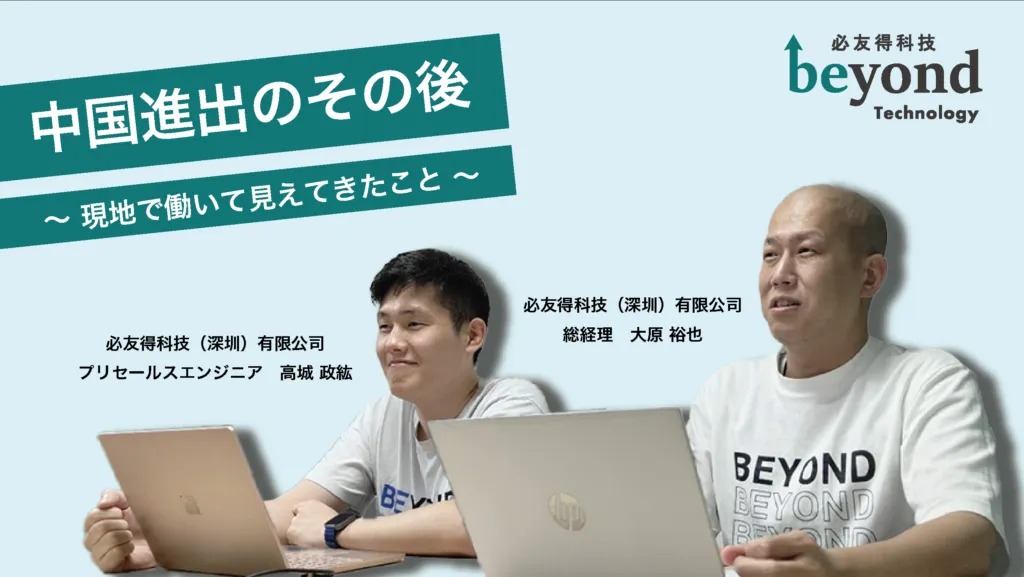
beyond Co., Ltd. Chinese subsidiary “Beyond Technology Shenzhen Co., Ltd.” officially started business in China on February 19, 2024.
This time, I conducted an exclusive interview with two members of Beyond Technology Shenzhen Co., Ltd., Mr. Ohara and Mr. Takagi.
◆ Interviewer: Asaka Komatsu (beyond’s Public Relations Department)
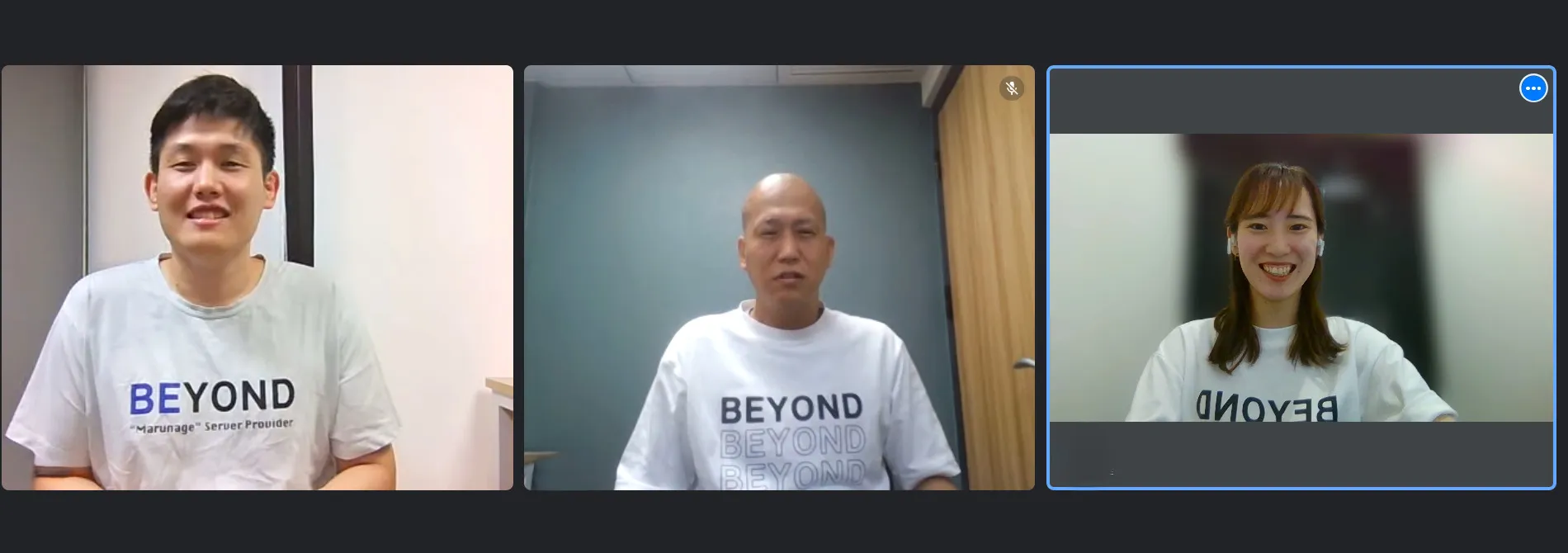
Table of Contents
Ohara: Around 2018, when Chinese services like Alibaba Cloud began entering Japan one after another, we felt the momentum of China’s IT services. That was the opportunity for our company, beyond’s, to start considering entry into the Chinese market.
The first thing we did to prepare for entry was to visit various regions in China. We conducted research by meeting and discussing with Japanese companies that had already expanded into China, as well as local Chinese companies. At the same time, we gradually progressed with preparations and considerations for establishing a local subsidiary in China.
However, during that process, the COVID-19 pandemic spread, and we could no longer travel to China. There was a period when our company’s research and exchanges in China stagnated. But even during such times, with the determination to move forward as much as possible, we gathered information online and looked for partner companies.
Takagi: In the Shenzhen and Guangdong area where we are based, there are many manufacturing clients, but there are few IT companies like ours that focus on cloud services. I see it as our theme to think about how to deploy our services in such a field and what kind of needs exist there.
Ohara: First, our company operates a business called “MSP (Managed Service Provider)” in Japan, where we handle cloud build and operation on behalf of clients using AWS, Alibaba Cloud, and other platforms.
The business of this China subsidiary is also an extension of Japan operations. However, if you ask, “Because it works in Japan, can we do the same in China?” that’s a different story.
I feel that localization is necessary—adapting to Chinese culture and business practices, understanding what services are needed—so we are repeatedly trial-and-error in that area.
Ohara: In Japan, when meeting someone for the first time, we exchange business cards, go to greet them, exchange information, and then follow up “if anything comes up.” There are many ways of working that involve face-to-face connections.
However, in China, there is a strong tendency towards an introduction culture, where companies buy from or transact with acquaintances. I feel the difficulty due to such differences in business customs. Also, because IT services and apps are so widespread, most things can be completed using WeChat or its mini-programs. I feel this is a very advanced aspect and a big difference from Japan.
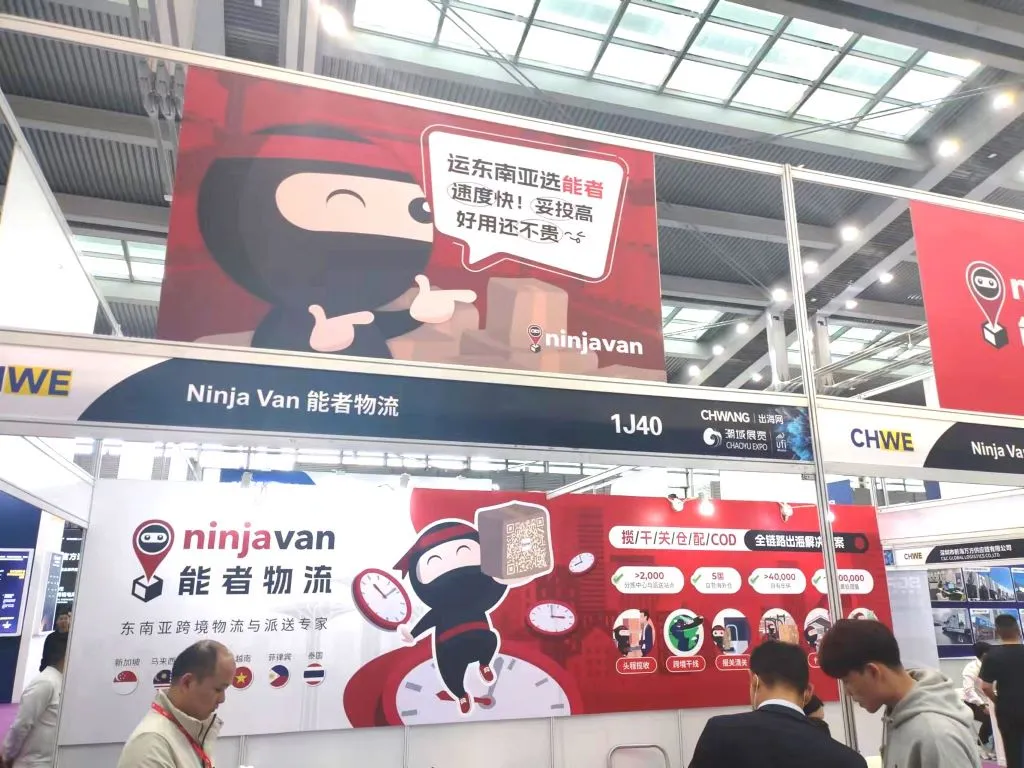
Ohara: Not only WeChat, but smartphones themselves are a very important lifeline. In everyday life, you really can’t do anything without a smartphone. In business, communication via WeChat is the norm, and over 90% of things are completed with WeChat alone. Many people don’t even have paper business cards to begin with; greetings often start with exchanging contact information on WeChat.
Ohara: People do have paper business cards, but I feel they are not as emphasized as in Japan. Also, when you exchange contact information on WeChat, you can send a digital business card, and that card can be created using a WeChat mini-program app. So, exchanging paper business cards on top of that is quite rare.
Takagi: When I was in Japan, one thing that left an impression on me when people talked about differences between Chinese and Japanese business was “sense of speed.” Before going to China, I heard that communication and responses are very fast there, but when I actually started working, I got the impression that responses are truly very quick and agile. In daily work as well, the people I interact with are all really fast to respond.
For example, in terms of quality, I think Japanese people generally have a base feeling of “try to submit something close to 100% to the client.” On the other hand, in China, the work flow feels like: “submit something that’s 50-60% complete to the client, then revise it up to 80%, and after several more interactions, bring it to 100%.”
In terms of speed, it is indeed fast, and it might feel like things are progressing rapidly. Considering Japanese business customs and work methods, I felt there were considerable differences.
Takagi: Yes, that’s right. While you can research on YouTube, Google, or hear things from friends while still in Japan, I feel that we truly understood these things only because we actually lived and worked in China and experienced them firsthand.
Takagi: I think that’s a possibility. For example, suppose we proceed with things based on our own common sense, predicting “this is probably best for the client.”
But if you don’t understand that the “best” you define isn’t necessarily the same as what the client thinks is best, then a difference in sense of speed may emerge. Regarding that point, I believe you need to take actions to adapt yourself to some extent to the culture of that country.
Ohara: In Japan, I think AWS has a large share, followed by Azure and others. But in China, Alibaba Cloud has a large share, followed by cloud services like Huawei Cloud and Tencent Cloud. AWS and Azure exist in China too, but they don’t seem to have the overwhelmingly large share they have in Japan.
Ohara: Not only Alibaba Cloud, but also clouds like Huawei Cloud and Tencent Cloud. In addition, there are dedicated servers provided by local Chinese data center operators. Chinese customers also use different server environments according to their needs. I feel this may vary depending on the user’s perception, so I can’t make a general statement.
Ohara: Our company supports multi-cloud and handles managed cloud services using various platforms like AWS and Alibaba Cloud. Our China subsidiary operates under the same system; we build and operate in the cloud environment that matches the needs of our Chinese customers, so either platform is fine.
Also, the China version of AWS can only be accessed and used by companies with a local Chinese subsidiary. So Japanese companies without a local subsidiary in China cannot use it even if they want to. On that point, since we have established a local subsidiary in China and can now use the China version of AWS, we are also able to provide technical support for it.
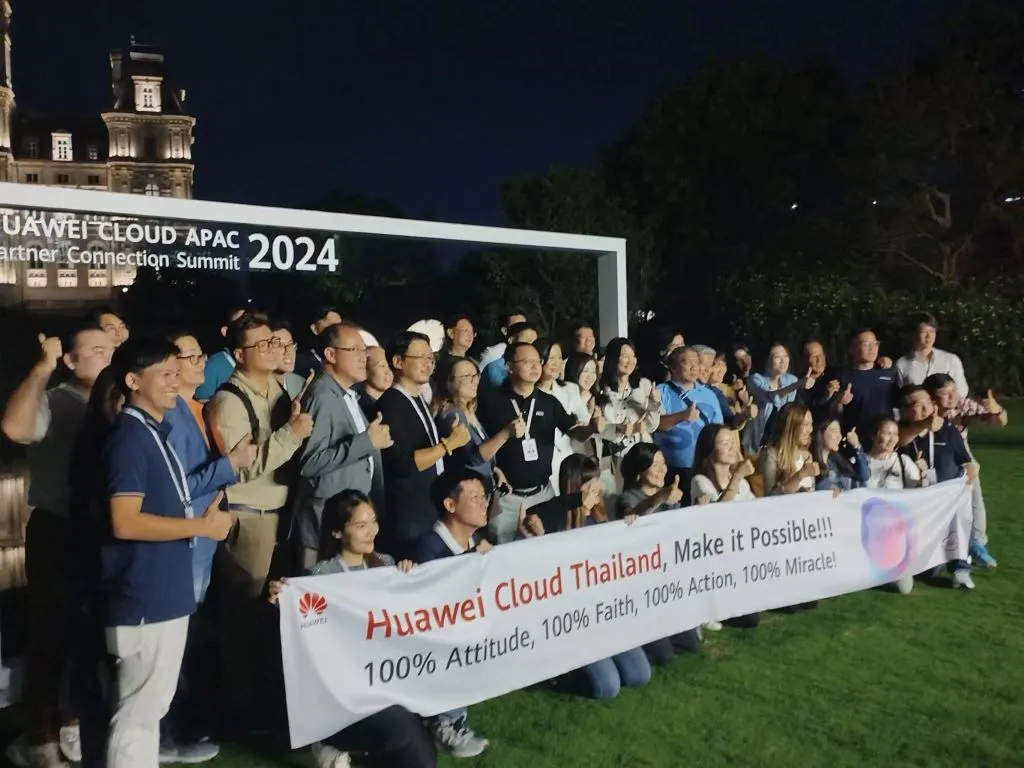
Takagi: Previously, I attended a Huawei Cloud partner event (Huawei Cloud APAC Partner Connection Summit) held in Dongguan, China. When I spoke with other partner companies similar to ours, I got the impression that many were providing MSP-like services focused on specific industries.
For example, I heard stories about companies specializing only in fields like fintech or AI, handling everything from managed cloud services. Certainly, if you specialize in a particular field or industry, even though details differ, you can reuse know-how from past projects, creating an environment where knowledge and skills accumulate easily within the company. This likely allows the vendor side to streamline service quality and management as well.
Ohara: Currently, our China subsidiary doesn’t particularly focus on any specific industry; we proceed with sales and engineering teams collaborating depending on the client’s project. However, I was impressed by how many Chinese vendors focus on a single industry to deploy their MSP services. That’s a point of difference from us.
Certainly, by narrowing down the target industry or field, you might face less direct competition from other vendors, and I felt it could also lead to differentiation from competitors.
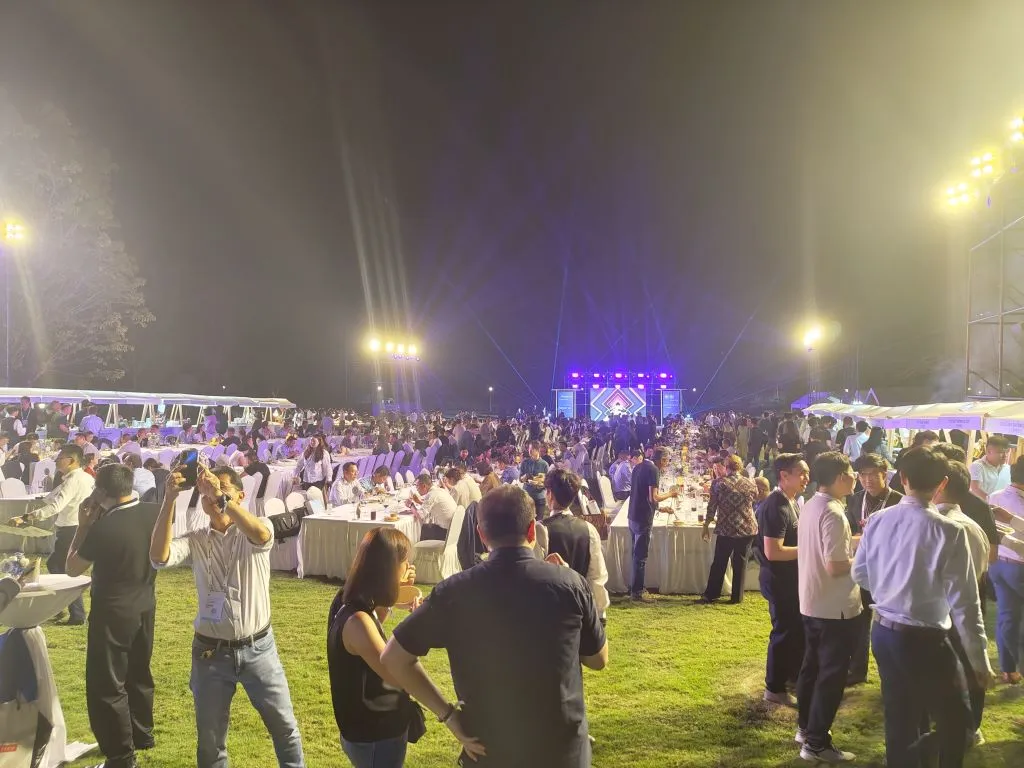
Ohara: Currently, we are working on projects mainly with Japanese companies. When we introduce our services, we often hear that they feel challenges regarding the current state of their local Chinese subsidiary’s systems.
We also hear things like, “We can use AWS well in Japan, but we don’t know much about Chinese clouds like Alibaba Cloud.” There may be surprisingly few Japanese IT vendors that can flexibly handle these kinds of challenges. When faced with such situations, I feel there are likely many Japanese companies with the potential concern: “I wish we could ask a Japanese IT vendor that understands Chinese cloud technology.”
Takagi: This might not be limited to China, but when talking with various people, I often hear things like, “We outsource the entire cloud operation work to another external company.”
Against that background, our company, both in Japan and China, has our own engineers communicate directly with clients and provide technical support. This point is often well-received by clients, and we are getting good responses even as we expand our services in China.
Takagi: Yes. Although the Chinese market is highly price-competitive, we believe we have this advantage, and I feel it’s a strength that allows us to demonstrate the basis of our service’s value.
Takagi: I don’t think this is limited to IT services; ultimately, most fields become price-competitive. For the side receiving or enjoying services, that might be fine. But for the side providing services, how you perceive and offer that price is an extremely important factor.
Takagi: First, I think having a local subsidiary in China is truly significant. By experiencing living and working here, we absorb local Chinese information firsthand, so our knowledge grows daily. Being able to deliver not just information picked up from news or the internet, but information with an advantage, is a strength.
There are many things you wouldn’t understand without actually being in China. By approaching these situations with proposals like “we will proceed this way” and sending that information from China, I think it becomes a benefit from the client’s perspective.
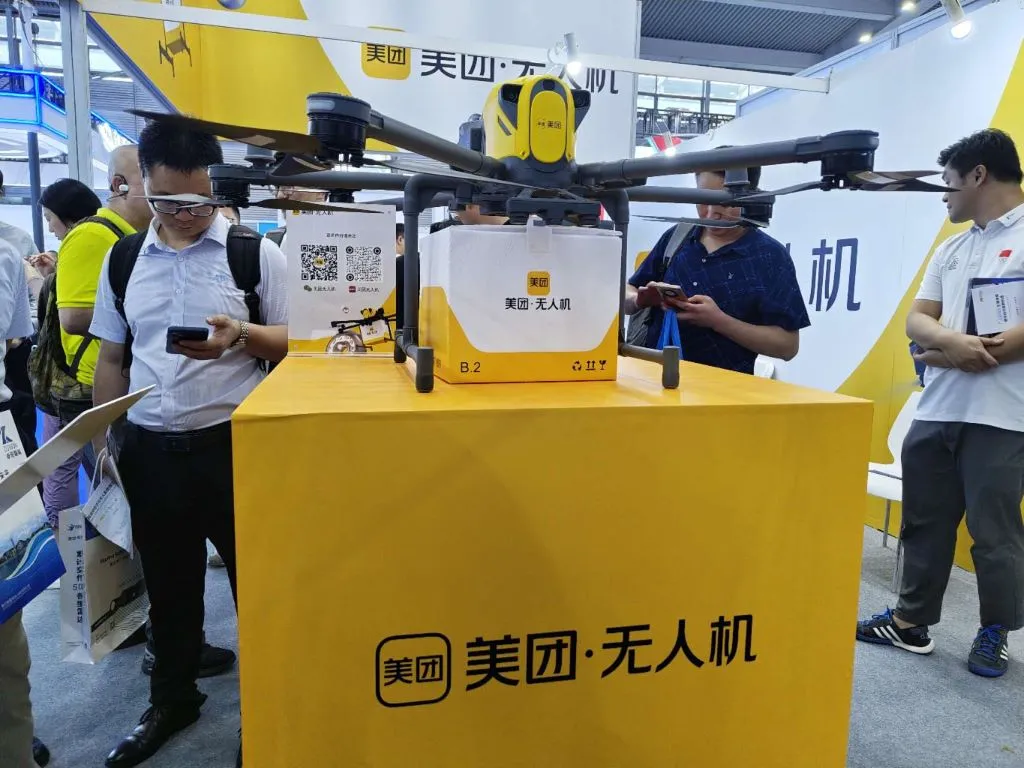
Takagi: Yes. I’d be happy if it became one factor that gives them peace of mind.
Ohara: A characteristic of our China subsidiary is that it’s headquartered in Shenzhen, known as a hub of technological innovation in Asia. We can quickly absorb various new technologies and ideas.
Other Japanese IT vendors often establish bases in places like Shanghai or Dalian, which are geographically closer to Japan. Perhaps because Shenzhen has many hardware companies, there seem to be few Japanese IT vendors handling cloud and software services like ours. I see an advantage for us there as well.
Being able to provide IT support for Japanese companies facing difficulties in Guangdong Province, and because Hong Kong SAR is also close, allowing us to add breadth to our business—I feel this is the advantage of Shenzhen’s location.
Additionally, in addition to being an MSP for Chinese clouds, we can also handle website creation for the Chinese market and WeChat mini-program development. Since we can proceed with projects in close cooperation with our Japan headquarters, this also provides reassurance for clients.
Ohara: Our MSP role is to support the stable, uninterrupted operation of our clients’ systems and applications, continuing to support their business. To that end, engineers from both our Japan and China bases collaborate closely, sharing knowledge and skills, and we have established a system to provide technically stable quality support at all times.
Takagi: What we especially want to appeal to our Japanese corporate clients in China is, of course, the language aspect, but also that we can provide services with a feel close to what they experience in Japan, with quality equal to Japan. In a sense, bringing out a Japanese style and working together with clients is what differentiates us from local Chinese IT vendors.
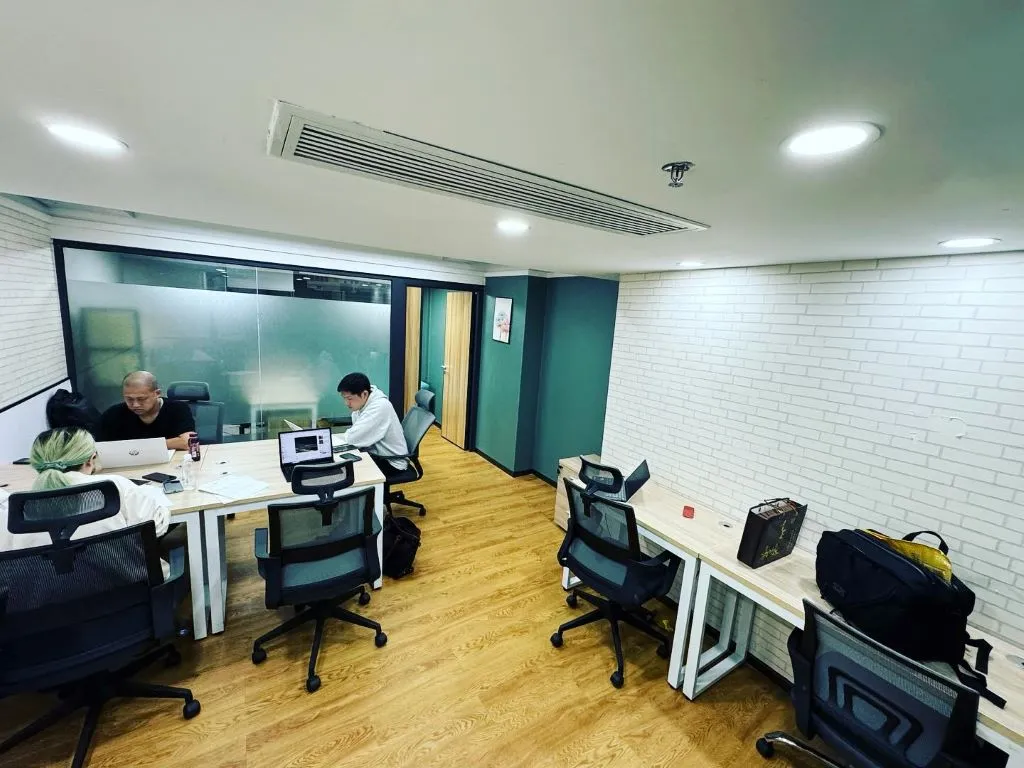
Ohara: We will develop services that become synonymous with “Beyond Technology.” Additionally, it would be interesting to reverse-import services developed by Beyond Technology back into Japan and deploy them there. Also, we want to expand within the Chinese market and provide services to countries like Singapore, using Shenzhen as our base.
Ohara: Shenzhen has good transportation access to Singapore, the financial and logistics hub of Southeast Asia, and business interaction is relatively easy. Therefore, we are also considering business collaboration with regions including Singapore in the future.
Singapore may not be exactly the same as China, but there should be points in common. Considering the cultural sphere and time differences, I think it’s one of the relatively easy markets for Japanese people to expand into.
Also, currently in Japan, perhaps due to the weak yen, inbound tourism from overseas has increased significantly. For the future, we also want to advance the development of WeChat mini-programs for Japanese companies, combining Japan and China to attract inbound tourists.
Ohara: “beyond’s MSP, also in China.” We would really like you to try our services.
Takagi: We have many engineers who act flexibly and have technical skills. We would be delighted if you entrusted us with your cloud and server needs in China as well!
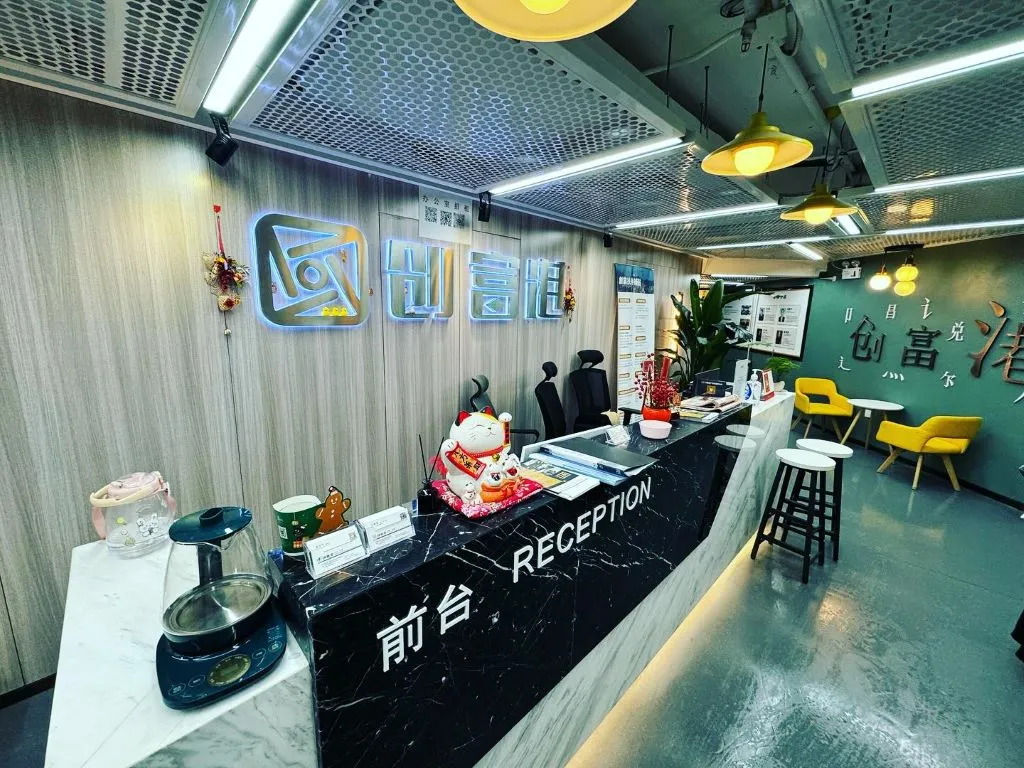
That concludes the interview with beyond’s China subsidiary.
Through this interview, I feel that my image of China, which previously I couldn’t concretely imagine, has gradually become clearer by hearing real voices. Of course, this content is only a small part of China and Beyond Technology. To deepen our understanding further, we will continue to share various information going forward.
The establishment of the China subsidiary, Beyond Technology, will undoubtedly have a significant impact as beyond creates a new future. Please continue to pay attention to the movements of beyond’s China subsidiary, Beyond Technology.
beyond and Beyond Technology provide technical support for managed cloud services to Japanese companies expanding into China and local subsidiary clients.
If you are a Japanese company in China and are facing difficulties with cloud or systems, please feel free to contact us.
◆ Interviewer: Asaka Komatsu (beyond’s Public Relations Department)
For Website Development and Managed Cloud Services
▼ Company WeChat Official Account▼

▼ Contact person in charge WeChat ID ▼


 WeChat Official Account
WeChat Official Account
Person in ChargeWeChat



 【2026】Public Holiday Calendar for China, Japan, and Singapore