
“Why pay for system maintenance when everything is running fine?”
Indeed, when there are no system failures or security incidents, continuing to pay monthly or annual maintenance fees may feel like a waste.
However, if you maintain this mindset, you may eventually face a situation that is irreversible.
In this article, we will explain why system maintenance is crucial for a company’s IT systems.
* For more information on the difference between system “operation” and “maintenance,” please refer to the following URL.
https://beyond-shenzhen.cn/en/blog/operation-maintenance
Table of Contents
Many companies today rely on websites and e-commerce platforms as the core of their digital business.
Even a single day of system downtime can lead to losses ranging from hundreds of thousands to millions of yen, depending on the business scale.
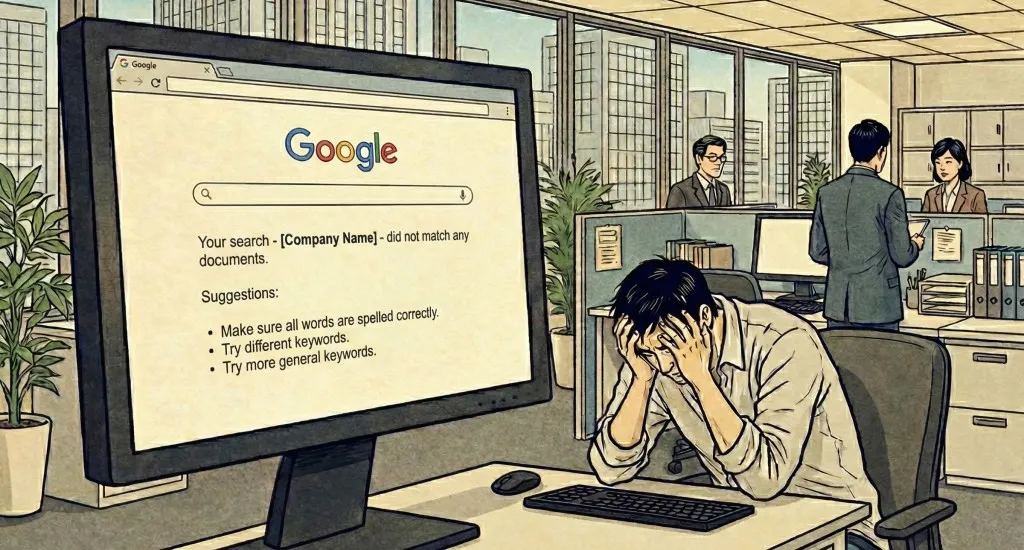
If maintenance hasn’t been done and external IT support is called in, the company must explain everything from scratch, and there’s no guarantee the issue will be resolved quickly.
Neglecting these hidden risks can therefore have a major impact on a company’s operations and strategy.
System maintenance is not just a fee—it’s an investment in preventing system failures.
It’s about keeping systems running smoothly through daily updates and monitoring, rather than reacting after a problem occurs.
Although it doesn’t generate direct profit, maintaining a trouble-free operation is its greatest value.
If a failure does occur, engineers familiar with the system can respond quickly, minimizing potential losses.
| Current System Issue | Impact | Recommended Maintenance |
| Outdated server OS or middleware | Website may not display correctly | Upgrade server OS and middleware (e.g., PHP, MySQL) |
| Expired SSL certificates | Users cannot access the website | Monitor SSL validity and update certificates on time |
| Neglected WordPress updates | Admin panel or database may be hacked | Update WordPress core files, themes, and plugins |
| Lack of security monitoring | Unauthorized access or malware may go unnoticed, affecting company and customers | Implement access controls and log monitoring to detect anomalies early |
| No data backup | System data may be irrecoverable in case of failure | Regularly back up data and perform recovery tests |
| Server performance issues or sudden failures | Loss of business opportunities; long system recovery time | Strengthen server monitoring and root cause analysis; consider upgrading server specs, load balancing, and CDN configuration |

To keep a system running smoothly, it is essential not only to perform daily updates and monitoring but also to establish a maintenance framework to handle potential problems.
How this maintenance framework is structured varies from company to company, making the approach to system maintenance a key consideration.
Generally, companies need to consider one of two options: building an internal maintenance team or outsourcing maintenance to an external IT service provider.
When a company builds an internal maintenance team, its engineers manage and update the system directly, allowing immediate response in case of problems.
If the engineers are familiar with the system configuration, even unexpected issues can be handled smoothly, providing a sense of security that only an in-house team can offer.
However, system maintenance is not a one-time task. Maintaining a stable internal maintenance framework requires recruiting skilled engineers, developing their expertise, establishing daily maintenance routines, and performing regular maintenance activities.
Therefore, from a management perspective, companies must also consider human resources and training costs when choosing this approach.
Companies can outsource maintenance to external IT professionals with the expertise to manage and update systems.
If the provider built the system, ongoing maintenance can be handled under a contract, allowing the company to focus on its core business.
For providers not involved in the original build, it’s essential to clarify the contract, support scope, and technical capabilities in advance. Sharing detailed system information ensures faster and more effective maintenance.

System maintenance is not merely a fee—it is an investment to keep systems running smoothly and minimize business risks.
By performing daily system management and updates, and establishing a maintenance framework capable of responding quickly to issues, companies can ensure long-term business continuity and reliability.
For website creation, server construction/operation
▼ Company WeChat Official Account▼

▼ Contact person in charge WeChat ID ▼


 Follow us on WeChat
WeChat Official Account
Person in ChargeWeChat


 【2026】Public Holiday Calendar for China, Japan, and Singapore